
How Far Can Ronaldo Go at a Sixth World Cup?
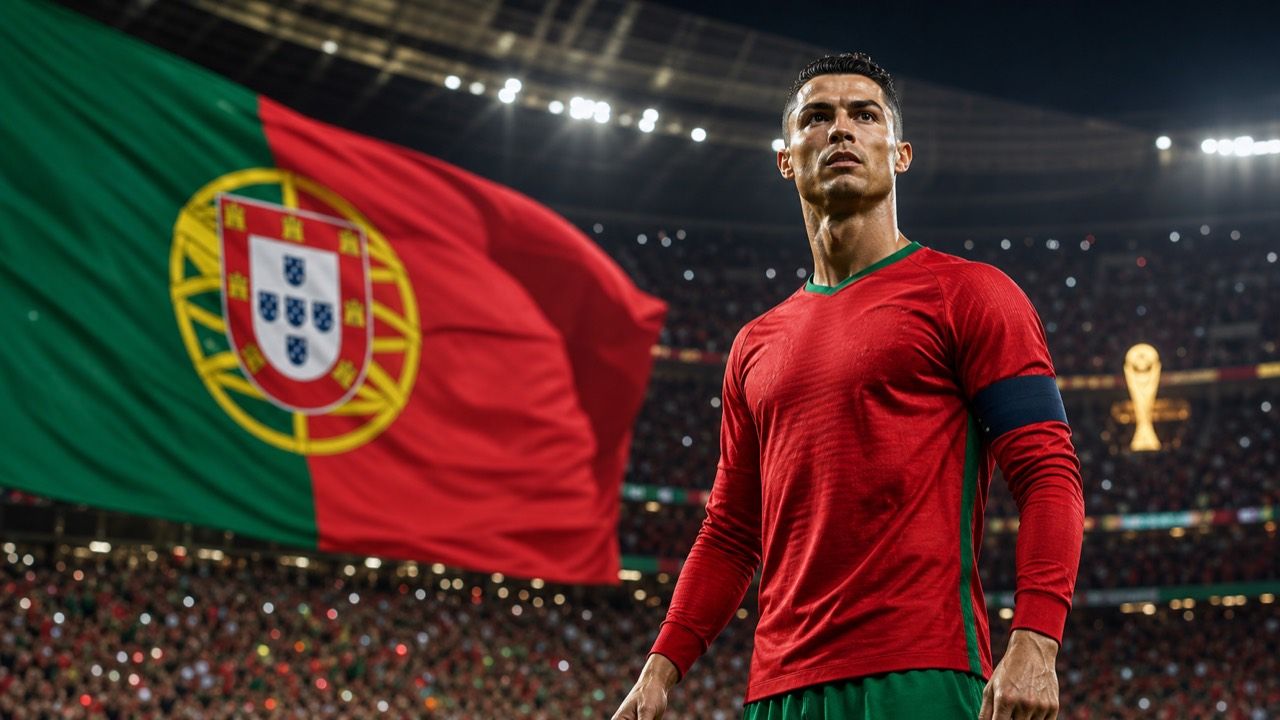
Cristiano Ronaldo is set to reach a sixth World Cup at age 41. Portugal still need his goals, but they also need the right balance of minutes, role, and knockout-stage management.
At 41, Cristiano Ronaldo is standing at the door of another World Cup. FIFA confirmed in Portugal's squad announcement that he will travel to the 2026 tournament as captain, chasing an unprecedented sixth World Cup appearance. That alone is historic: from a young wide forward in Germany 2006 to a penalty-box finisher in North America 2026, Ronaldo has carried an entire generation of football memory through the same shirt.
The real question, though, is not whether Ronaldo can add another record. It is whether Portugal can use him wisely. If the plan is to treat him like the all-purpose star of ten years ago, Portugal may end up lowering their own ceiling. If the plan is to turn him into a sharper, more selective final weapon, this team still has the profile to make a serious run.
Portugal's foundation is strong enough. Ruben Dias, Nuno Mendes, Joao Neves, Vitinha, Bruno Fernandes, Bernardo Silva, Rafael Leao, Joao Felix, and Goncalo Ramos give Roberto Martinez enough ball progression, wide threat, and attacking variety to avoid becoming a one-man operation. In other words, Portugal should not arrive at the 2026 World Cup as a team waiting for Ronaldo to solve everything on his own.
That is the first key to how far Ronaldo can go: he has to be placed in the right role. He still offers elite box instincts, strong aerial value, and total authority from the penalty spot. What he no longer should be asked to do is press relentlessly for long stretches, beat full-backs over and over from the flank, or drop deep every phase to build the attack. The more Portugal let their midfielders and wingers handle progression, the more Ronaldo can save his energy for the moments that matter most: the box, second balls, set pieces, and the final twenty minutes of tight matches.
The group stage is the first hurdle Portugal must manage well. According to FIFA's published schedule, Portugal face DR Congo, Uzbekistan, and Colombia in Group K. It is not a group of death, but it is not a soft landing either. DR Congo will test Portugal's control through physical duels, Uzbekistan may bring a compact defensive block, and Colombia have enough individual quality to drag a match into something far more chaotic.
For Ronaldo, the ideal group-stage script is not three full matches and three survival shifts. It is early control of the group, enough points from the first two games, and room to rotate in the third. At 41, energy management in a World Cup built on travel, heat, and short recovery windows is not caution. It is strategy. If Portugal want a genuinely dangerous Ronaldo in the knockout rounds, they cannot spend his burst too early.
Once the knockout phase begins, Ronaldo's value becomes more subtle. World Cup knockouts are often not about ninety minutes of flowing football. They are about a few set pieces, one loose ball in the area, a goalkeeper's big save, and a single star finishing the decisive chance. Ronaldo remains dangerous in exactly that world. He does not need to dominate every minute. He only needs one cross, one penalty, or one far-post run to tilt a game.
The problem is that stronger opponents will target him more clearly. If Portugal's attack becomes nothing more than crossing toward Ronaldo, elite centre-backs will be comfortable. If Portugal can use Vitinha, Bruno, Bernardo, and Joao Neves to keep stressing central spaces, then release runners like Leao or Pedro Neto beyond the line, Ronaldo's presence becomes something defenders can never forget. The threat is not that he touches the ball every attack. The threat is that the back line cannot switch off for a second while he is there.
So Portugal's reasonable floor is getting out of the group, and their realistic target is the quarter-finals. If the bracket breaks kindly, the core stays healthy, and Martinez is decisive with both starters and bench roles, a semi-final is not fantasy. Winning the whole tournament would require more than Ronaldo's last great World Cup storyline. It would require defensive stability, ruthless transitions, and emotional control across seven matches.
Ronaldo does not need another World Cup to prove his greatness. A possible sixth appearance, goals across five different World Cups, and Portugal's scoring record already make the case. But football is not always about completeness. Sometimes it is about the final moment. If Portugal can turn Ronaldo from the universal answer into the decisive weapon, the most realistic range for this veteran is somewhere between the quarter-finals and the semi-finals. And if the draw, the form, and the fortune of tournament football all lean his way, then the final question of his World Cup career becomes far more interesting than it first sounds.
Discover More
View All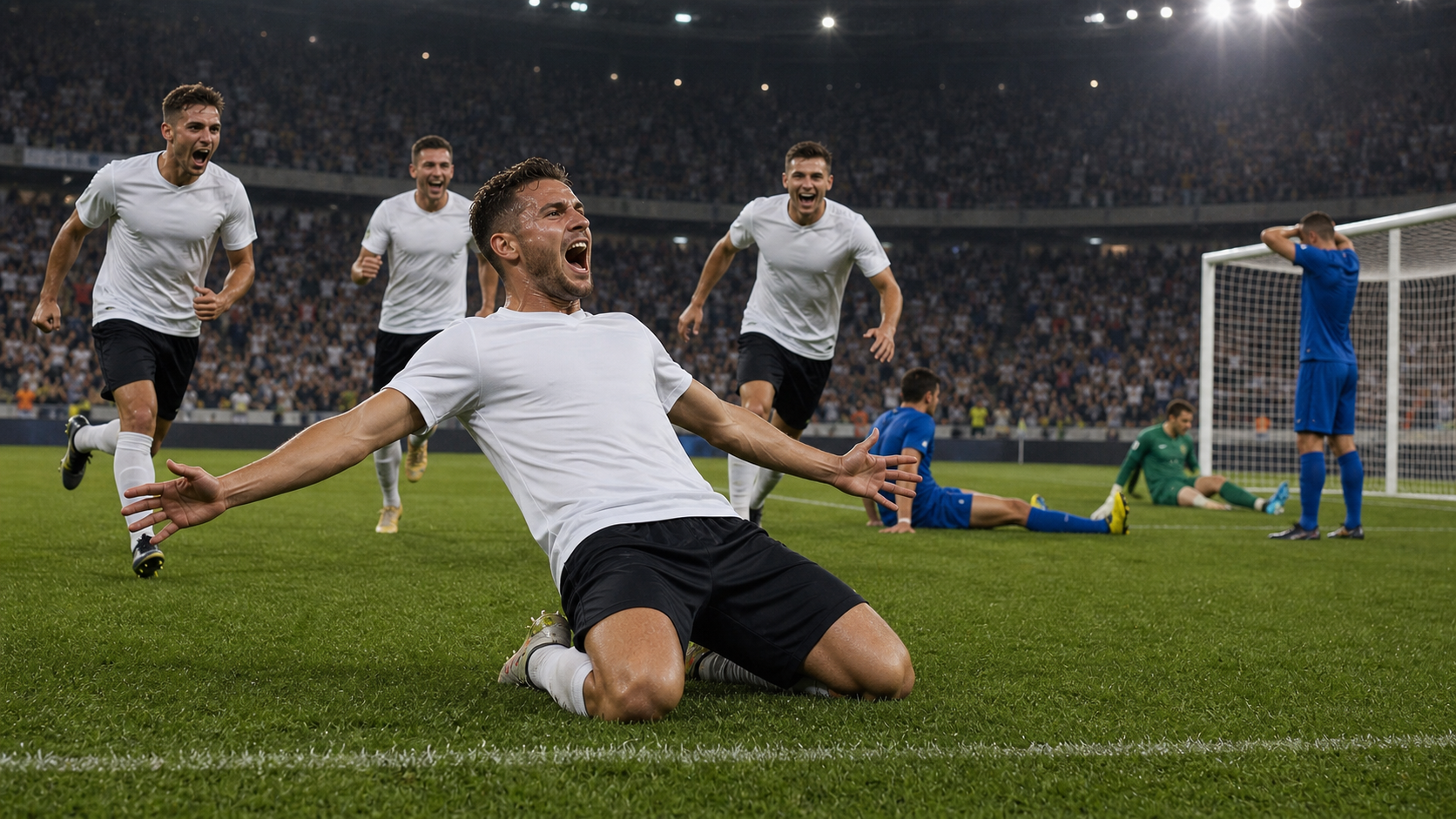
The German Machine Still Has Its Power
Germany opened their 2026 World Cup campaign with a 7-1 win over Curacao, combining high pressing, wide overloads, strong chance creation, and ruthless finishing.
Jun 15, 2026
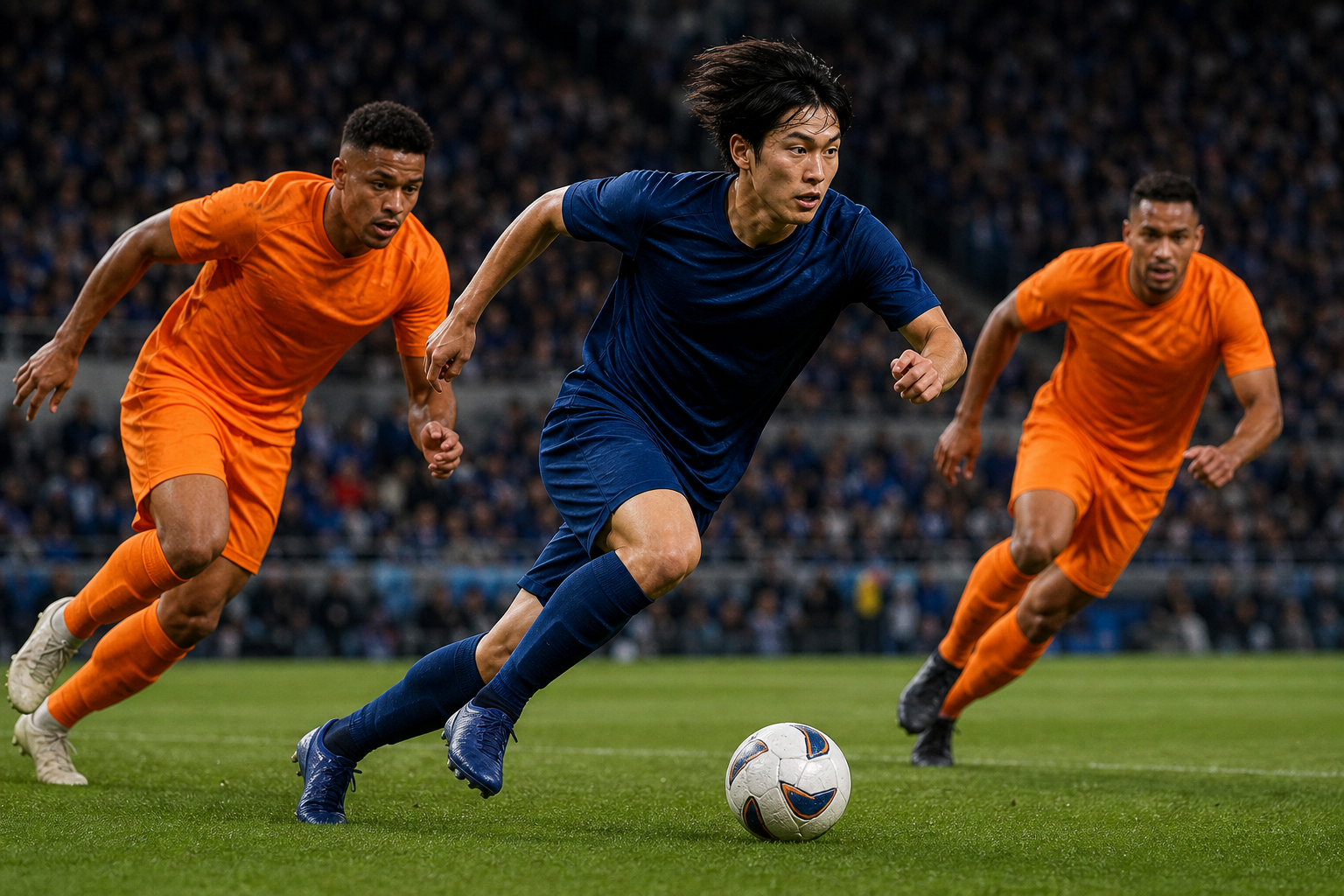
Japan Charge Relentlessly and Look Every Bit as Strong as a European Power
Japan's 2-2 draw with the Netherlands showed why the Samurai Blue can stand toe to toe with elite European opposition, from the pre-match numbers to the transition bursts, score swings, and what comes next.
Jun 15, 2026